Calcium is an essential mineral that plays a key role in various physiological processes in the body. It is not only crucial for bone and tooth health, but also for muscle contraction, nerve transmission, and blood clotting. Low calcium levels, medically known as hypocalcemia, can cause a variety of health problems. This article explores the potential consequences of low calcium levels and answers important questions surrounding this topic.
Should I worry if my calcium is low?
Yes, low calcium levels can have serious health consequences if left untreated. Calcium is essential for many bodily functions, and a deficiency can cause both short- and long-term health problems, so maintaining adequate calcium levels is vital for overall health.
Hypocalcemia can be caused by a number of things, including inadequate calcium intake, vitamin D deficiency, hormonal imbalances, kidney disease, and certain medications. The body tries to keep blood calcium levels within a narrow range, as it is essential for the normal functioning of the nervous system and muscles. If calcium levels are too low, these functions can become impaired, which can have immediate and long-term health consequences.
What are the symptoms of lack of calcium NHS?
The National Health Service (NHS) describes various symptoms that may indicate a calcium deficiency. These symptoms can vary depending on the severity of the deficiency and include both physical and psychological complaints.
- Muscle cramps and spasms: One of the most common and earliest signs of low calcium levels is muscle cramps and spasms, especially in the hands, feet and face. These cramps can come on suddenly and be painful.
- Tingling and numbness: Another common symptom is abnormal sensations such as tingling or numbness in the fingers, toes and around the mouth. These sensations are often the result of impaired nerve function.
- Fatigue and weakness: People with hypocalcemia often report persistent fatigue and general weakness. These symptoms can significantly affect everyday life and reduce quality of life.
- Cognitive impairments: Low calcium levels can also affect the brain, causing difficulty concentrating, confusion, memory problems, and irritability. These cognitive impairments can negatively impact both professional performance and social life.
- Depression and anxiety: Mental symptoms such as depression and anxiety can also be exacerbated by calcium deficiency. These conditions are often due to the effects of the deficiency on the nervous system and hormonal balance.
- Skin and hair problems: Hypocalcemia can also cause external signs such as dry skin, brittle nails and hair loss. These symptoms reflect the effects of calcium on cellular health.
- Dental health: Since calcium is essential for tooth structure, a deficiency can lead to dental problems such as tooth decay and periodontitis. Adequate calcium intake is therefore also very important for oral health.
Can low calcium cause weight gain?
The relationship between low calcium levels and weight gain is complex and not fully understood. Some studies suggest that low calcium levels may affect metabolism and body weight regulation. Here are some mechanisms that may play a role:
- Hormonal changes: Calcium plays a role in the release of hormones that affect appetite and metabolism, such as parathyroid hormone (PTH) and calcitriol. Low calcium levels can lead to increased production of these hormones, which in turn can affect fat metabolism and storage.
- Impact on fat cells: Some research suggests that calcium may affect the function of fat cells. Low calcium levels may increase fat production and decrease fat burning, which may contribute to weight gain.
- Increased calorie intake: Hypocalcemia can also increase cravings for calcium-rich foods such as dairy products, which can lead to increased calorie intake. If these extra calories are not offset by physical activity, weight gain can result.
- Muscle weakness and lack of exercise: Muscle cramps and weakness due to low calcium levels can lead to a reduction in physical activity. Less exercise means fewer calories burned and can contribute to weight gain. However, it is important to note that many factors affect body weight, and low calcium levels are just one of them. A balanced diet, regular exercise and a healthy lifestyle are crucial for weight control.
Can low calcium affect the heart?
Yes, low calcium levels can significantly affect the heart and cardiovascular system. Calcium is essential for the normal functioning of the heart and blood vessels. Here are some ways hypocalcemia can affect the heart:
- Impaired heart contraction: Calcium plays a key role in muscle contraction, including the heart muscle. Low calcium levels can impair the heart muscle’s ability to contract, resulting in reduced cardiac output. This can cause symptoms such as palpitations, shortness of breath, and fatigue.
- Arrhythmias: Hypocalcemia can increase the risk of abnormal heart rhythms. Calcium ions are critical for the heart’s electrical activity, and a deficiency can disrupt normal electrical conduction, resulting in irregular heartbeats. Severe arrhythmias can be life-threatening and require immediate medical attention.
- Blood pressure regulation: Calcium plays a role in regulating blood pressure. Low calcium levels can lead to an imbalance in calcium metabolism, which can increase blood pressure. This increases the risk of high blood pressure (hypertension) and related complications such as stroke and heart attack.
- Vascular health: Calcium is also important for blood vessel health. It helps maintain the flexibility and integrity of vessel walls. A lack of calcium can lead to calcification of the vessels and reduced elasticity, which increases the risk of arterial disease.
- Changes in electrolyte balance: Low calcium levels can disrupt the balance of other electrolytes such as sodium, potassium and magnesium, all of which play an important role in heart function. An imbalance of these electrolytes can increase the risk of cardiovascular problems.
What is the best way when calcium level is low?
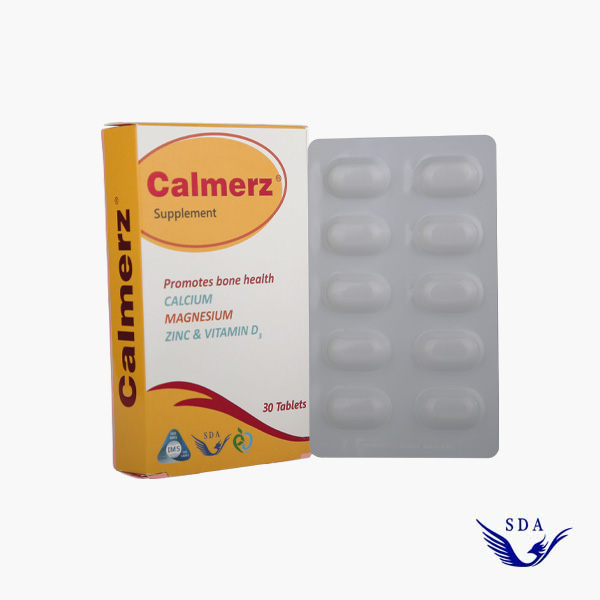
The best way to fix calcium deficiency after correcting a diet containing calcium, such as enough dairy products or green leafy vegetables, is to take calcium supplements. Calmerz tablets contain a significant amount of calcium, and of course, it is capable of supplying the body with vitamin D and magnesium, and is the best way to treat calcium deficiency.
Conclusion
Low calcium levels can cause a variety of health problems, ranging from mild symptoms such as muscle cramps and fatigue to serious cardiovascular complications. It is important to recognize the symptoms of calcium deficiency and take appropriate measures to normalize calcium levels. This includes eating a calcium-rich diet, getting enough sunlight for vitamin D synthesis, and taking calcium and vitamin D supplements under medical supervision if necessary.
If you notice symptoms of calcium deficiency or have concerns about your calcium levels, you should consult a doctor. Early diagnosis and treatment can help minimize the negative effects on your health and help you live a healthy, active life. By paying attention to your calcium levels and taking preventative measures, you can avoid long-term health problems and improve your overall quality of life.