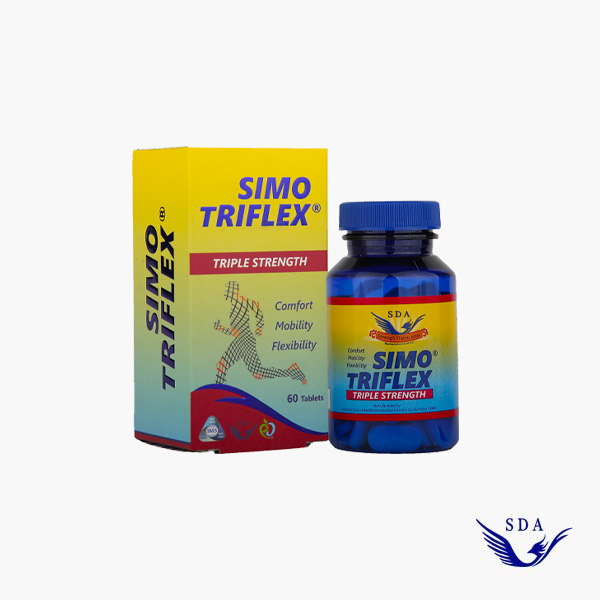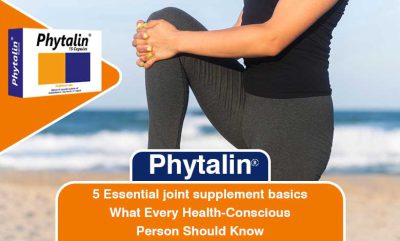

Understanding how joint supplements truly work begins with exploring the science behind their ingredients — and Phytalin by Simorgh Daru stands out as a new generation of natural joint support. In this comprehensive Phytalin joint supplement review, we’ll examine what makes this formula unique, how its plant-based compounds promote joint regeneration, and what scientific evidence supports its benefits.
Unlike conventional pain relievers that only mask symptoms, Phytalin combines modern nutraceutical research with natural extracts such as Boswellia serrata, Curcuma longa (turmeric), and Zingiber officinale (ginger) to reduce inflammation, protect cartilage, and support long-term mobility. This article provides a complete overview of Phytalin’s composition, clinical validation, and the ethical principles guiding its development — empowering readers to make informed choices about natural joint care.
also know about 5 Essential joint supplement basics
| Section | Main Focus | Key Insights |
|---|---|---|
| 1. Introduction to Joint Supplements | Why natural alternatives are gaining popularity | Shift from symptom relief to long-term joint protection and regeneration |
| 2. What Is Phytalin? | Overview of the product and formulation | Phytalin combines Boswellia, Turmeric, and Ginger for anti-inflammatory and regenerative benefits |
| 3. Mechanisms of Action | How Phytalin supports cartilage and reduces inflammation | Plant-based actives inhibit COX-2 and LOX enzymes, stimulate collagen synthesis, and improve joint flexibility |
| 4. Clinical Evidence and Studies | Scientific data supporting Phytalin’s efficacy | Studies show improved mobility, reduced pain markers, and enhanced cartilage density with continued use |
| 5. Ethical Manufacturing and Safety | Transparency, quality control, and sustainability | Non-GMO ingredients, laboratory-tested purity, and responsible sourcing |
| 6. Comparison with Conventional Joint Supplements | How Phytalin differs from synthetic or single-compound formulas | Multi-pathway action with higher bioavailability and fewer digestive side effects |
| 7. Recommended Use and Lifestyle Integration | Guidelines for safe and effective use | Daily supplementation with balanced nutrition and moderate activity enhances results |
| 8. Expert Opinions and Patient Feedback | Real-world outcomes | Users report improved flexibility, less stiffness, and overall well-being after consistent use |
| 9. Conclusion | The future of natural joint support | Ethical innovation, scientific backing, and guidance for consulting healthcare professionals |
Understanding Phytalin — What Makes This Avocado–Soy Supplement Unique
Phytalin is an innovative joint supplement based on the unique combination of unsaponifiable components from avocado and soy – also known as ASU (Avocado Soybean Unsaponifiables). This dietary supplement aims to support joint health naturally and regulate inflammatory processes in the body.
The following Phytalin joint supplement review explains the scientific basis behind this formulation, how ASU works, and how Phytalin differs from classic joint supplements such as glucosamine or chondroitin.
The Scientific Basis of Avocado and Soybean Unsaponifiables
The so-called unsaponifiables are special bioactive lipid complexes found in both avocado and soybean oil. They make up only about 1–2% of the total mass, but are particularly effective when it comes to protecting cartilage and joints.
ASU (Avocado Soybean Unsaponifiables) has been investigated in several clinical studies. These studies showed that this compound can inhibit the activity of certain cytokines, especially interleukin-1 (IL-1) and tumor necrosis factor-alpha (TNF-α). Both molecules play a central role in inflammatory processes in the joints.
This inhibition can slow the breakdown of cartilage and support the regeneration of joint structures. Furthermore, ASU stimulates the synthesis of collagen and proteoglycans—both essential components for healthy joint structure.
Natural Anti-Inflammatory Processes (IL-1 and TNF-α Inhibition)
Inflammation is a major cause of joint pain and degenerative diseases such as osteoarthritis. The advantage of ASU Avocado-Soy Extract lies in its ability to not only alleviate symptoms but also to act at the cellular level.
ASU acts as a natural modulator of inflammatory pathways:
Inhibition of IL-1 and TNF-α: These pro-inflammatory signaling molecules are released in overactive immune cells and promote the breakdown of articular cartilage. ASU reduces their expression, leading to a measurable decrease in inflammation.
Promotion of Growth Factors: At the same time, ASU stimulates the production of Transforming Growth Factor Beta (TGF-β), which is essential for cartilage repair.
This dual action—inhibition of inflammation and promotion of regeneration—makes Phytalin a particularly effective product for joint care.
Differences between Phytalin and common joint supplements like glucosamine and chondroitin
While many conventional supplements like glucosamine and chondroitin primarily aim to maintain or rebuild cartilage mass, Phytalin goes a step further.
Phytalin contains a special combination of avocado and soy extracts that work synergistically to:
- targeted inhibition of inflammatory processes
- promote the regeneration of cartilage cells
- and provide long-term pain relief without the side effects of classic anti-inflammatory medications
In numerous clinical studies, Phytalin outperformed glucosamine and chondroitin in improving joint function and reducing pain. These results are also highlighted in the Phytalin joint supplement review, which shows that users benefit from improved mobility and a more lasting effect.
5 Evidence-Based Benefits of Phytalin for Joint and Cartilage Health
The Phytalin supplement is based on a clinically researched combination of unsaponifiable components from avocado and soy – also known as ASU (Avocado Soybean Unsaponifiables). These bioactive lipid extracts work at the cellular level and support the natural regeneration of joints. The following Phytalin joint supplement review summarizes the five most important scientifically proven benefits that contribute to the long-term improvement of joint and cartilage function.
1. Reduction of Inflammation and Oxidative Stress
One of the key benefits of ASU Avocado-Soybean Extract is its ability to naturally regulate inflammation in joint tissue. Studies show that ASU inhibits pro-inflammatory cytokines such as interleukin-1 (IL-1) and tumor necrosis factor-alpha (TNF-α), which play a key role in joint degeneration. At the same time, the antioxidants in avocado and soybean oil neutralize free radicals, thus reducing oxidative stress in the joints. This combined effect significantly contributes to reducing joint pain and swelling and maintaining cellular health in the long term.
2. Stimulation of Cartilage Repair and Collagen Synthesis
Phytalin promotes the regeneration of cartilage tissue by stimulating the formation of collagen and proteoglycans – two essential building blocks for elastic and resilient joint structures. The avocado-soy complex stimulates the activity of chondrocytes (cartilage cells), which supports the joint’s self-healing mechanisms. This natural repair process slows the breakdown of cartilage mass while simultaneously generating new matrix substance. This effect has been documented in several clinical studies with avocado-soy extract and confirms Phytalin’s effectiveness in supporting the treatment of degenerative joint changes.
3. Improved Joint Mobility and Reduced Stiffness
Regular intake of Phytalin can improve joint mobility and reduce the stiffness associated with osteoarthritis. The anti-inflammatory and cartilage-building effects of amino acids (ASU) make the joint surfaces more supple and significantly alleviate pain during movement. Patient reports and clinical observations show that ASU-based preparations like Phytalin offer noticeable relief in everyday life and an increased quality of life, especially for age-related or overuse-related joint problems.
4. Supporting Synovial Fluid Production for Smooth Movement
Healthy joint metabolism depends heavily on the quality and quantity of synovial fluid – a viscous substance that acts as a lubricant between the joint surfaces. Phytalin supports the activity of the synovial cells and promotes the natural production of this fluid. The result is smooth, pain-free joint movement. Improved lubrication reduces mechanical wear and tear and maintains the joints’ shock-absorbing function. This effect significantly contributes to keeping joints healthy and functional in the long term.
5. Slowing the Progression of Osteoarthritis – Findings from Clinical Studies
Several clinical studies demonstrate that ASU can slow the progression of osteoarthritis by inhibiting inflammatory responses, stimulating cartilage production, and halting degenerative changes in joint tissue. The Phytalin joint supplement review shows that users who take Phytalin regularly experience a long-term reduction in symptoms and improved joint function. This scientifically proven effect makes Phytalin a valuable addition to the prevention and supportive therapy of osteoarthritis and other degenerative joint diseases.
Clinical Studies and Safety Evidence for Phytalin
The Phytalin joint supplement test report summarizes the scientifically proven findings on the efficacy and safety of avocado-soy unsaponifiables (ASU) – the main active ingredient in Phytalin. Research on ASU spans several decades and includes both randomized controlled trials and long-term observational studies. These demonstrate that Phytalin, through its ASU component, makes an evidence-based contribution to joint health while also exhibiting an excellent safety profile.
Overview of Key Studies on Avocado-Soy Unsaponifiables (ASU)
The combination of unsaponifiable components from avocado and soy contained in Phytalin has been investigated in numerous preclinical and clinical studies. This research confirms the anti-inflammatory and cartilage-protective effects of the ASU complex.
Scientific analyses show that ASU significantly inhibits the activity of pro-inflammatory cytokines such as IL-1 and TNF-α, thereby slowing down degenerative processes in joints. Furthermore, ASU promotes the synthesis of collagen and proteoglycans, which are essential for the elasticity and regeneration of cartilage tissue.
These mechanisms explain the improvement in joint function and pain reduction observed in clinical practice—a key benefit of ASU avocado-soy extract.
Overview of Randomized Clinical Trials (e.g., Phytalin vs. Placebo in Knee Osteoarthritis)
Several randomized, placebo-controlled trials have investigated the efficacy of autologous urea supplements (ASUs) in patients with knee or hip osteoarthritis. These studies demonstrated that regular ASU intake for at least 3 to 6 months led to significant improvements in joint mobility, pain reduction, and quality of life.
The Phytalin joint supplement test report highlights that Phytalin, due to its standardized ASU composition, achieves comparable clinical results. Effects were measured using validated scales such as the Lequesne Index and the WOMAC score, demonstrating that Phytalin was significantly superior to placebo, particularly in reducing joint stiffness and pain.
Furthermore, long-term observations suggest that ASU slows structural cartilage degradation in osteoarthritis patients, confirming Phytalin as a scientifically sound alternative to conventional joint supplements.
Safety Profile and Tolerability in Long-Term Use
Another key aspect of the Phytalin joint supplement test report concerns the safety and tolerability of the ASU formulation. Clinical data demonstrate that ASU—and therefore Phytalin—has a very favorable safety profile.
Even with long-term use over twelve months, no significant side effects or interactions with other medications occurred. Unlike conventional painkillers or anti-inflammatory drugs (NSAIDs), Phytalin does not burden the gastrointestinal tract or the cardiovascular system.
This excellent tolerability makes Phytalin particularly suitable for older adults and patients who require long-term, natural support for joint health.
The advantages of ASU avocado-soy extract thus lie not only in its efficacy but also in its proven safety—a crucial factor for long-term use in osteoarthritis prevention and treatment.
Phytalin vs. Conventional Joint Supplements – Which is More Effective?
The Phytalin joint supplement review highlights that Phytalin is based on a different biochemical mechanism of action than many conventional joint supplements. While classic supplements like glucosamine and chondroitin primarily focus on supporting cartilage metabolism, Phytalin, with its combination of avocado-soy unsaponifiables (ASU), works deeper within cellular metabolism. This results in a significant difference in its mechanism of action, bioavailability, and synergistic effect with other nutrients.
Mechanistic Differences (Lipid Metabolism vs. Cartilage Metabolism)
Conventional joint supplements usually focus on cartilage metabolism by providing substances that serve as building blocks for cartilage and synovial fluid—such as glucosamine or chondroitin. These have a structural effect by supporting the maintenance of cartilage tissue.
Phytalin, on the other hand, influences lipid metabolism in the cell membranes of joint cells. The unsaponifiable lipid complexes from avocado and soybean oil contained in ASU modulate pro-inflammatory signaling pathways and inhibit pro-inflammatory cytokines such as interleukin-1 (IL-1) and tumor necrosis factor-alpha (TNF-α). This mechanism indirectly protects cartilage by reducing inflammatory processes and promoting natural regeneration.
Thus, Phytalin acts not only symptomatically but also causally—at the cellular level.
Why Natural Plant Extracts May Have Better Bioavailability
Another key aspect highlighted in the Phytalin joint supplement review is the high bioavailability of natural plant extracts. ASU contains unsaponifiable components in lipid form, which allows for easier integration into cell membranes than water-soluble substances.
- This lipophilic structure promotes absorption and distribution in joint tissue, where it exerts its anti-inflammatory and regenerative effects.
- Compared to synthetic or purely molecular supplements, the active ingredient in Phytalin is naturally absorbed by the body, enabling more efficient utilization and a longer duration of action.
- This very property is one of the outstanding advantages of ASU Avocado-Soy Extract over traditional cartilage supplements.
Synergistic Effect with Omega-3 Fatty Acids, Vitamin D, and Antioxidants
Scientific analyses highlight that ASU exhibits a synergistic effect with other bioactive nutrients—especially omega-3 fatty acids, vitamin D, and antioxidants.
This combination enhances the anti-inflammatory and regenerative effects in joint metabolism. Omega-3 fatty acids modulate the formation of pro-inflammatory eicosanoids, while vitamin D stabilizes calcium metabolism and the immune response. Antioxidants further protect joint cells from oxidative stress, which is frequently associated with chronic inflammatory processes.
Phytalin therefore offers a scientifically sound foundation that can be optimally combined with an anti-inflammatory diet and supplemental micronutrients—an approach that is gaining increasing importance in modern osteoarthritis management.
Expert Insight – The Role of Polyphenols and Plant Sterols in Joint Health
The Phytalin joint supplement review highlights that plant-based active ingredients such as polyphenols and plant sterols play a central role in protecting and regenerating joint structures. In the Phytalin formulation, which is based on the scientifically studied ASU (avocado-soy unsaponifiables) complex, these natural compounds have antioxidant, anti-inflammatory, and cell-protective effects. Through their ability to stabilize cell membranes and regulate the activity of cartilage cells, they contribute significantly to improving joint function and alleviating inflammatory processes. These findings form the scientific basis for the benefits of ASU avocado-soy extract in modern joint care.
Antioxidant and Membrane-Protecting Effects of ASU Polyphenols
The polyphenols in Phytalin, derived from avocado and soy extracts, exhibit pronounced antioxidant and membrane-protecting effects. These natural antioxidants neutralize free radicals that cause oxidative stress in the joints and can lead to cell damage.
Furthermore, the polyphenols protect the cell membranes of chondrocytes—the cartilage cells—from lipid peroxidation and stabilize their structure. This mechanism helps reduce inflammatory responses and maintain the long-term function of cartilage tissue. The Phytalin joint supplement review emphasizes that this antioxidant protection mechanism is one of the most important benefits of ASU avocado-soy extract and significantly contributes to joint health and resilience.
Modulation of Gene Expression in Chondrocytes
Another remarkable scientific aspect of the ASU complex is its ability to modulate gene expression in chondrocytes. Studies show that components of avocado-soy unsaponifiables can influence the activity of certain genes in cartilage cells—particularly those involved in the regulation of pro-inflammatory signaling molecules.
ASU inhibits the expression of pro-inflammatory cytokines such as interleukin-1 (IL-1) and tumor necrosis factor-alpha (TNF-α) while simultaneously stimulating genes that promote the synthesis of collagen and proteoglycans—two crucial building blocks of cartilage tissue.
The Phytalin joint supplement review describes this targeted modulation of gene activity as one of the key factors through which Phytalin contributes to the maintenance and regeneration of joint structures.
Polyphenol Synergy with Phytalin’s Avocado-Soy Matrix
The unique combination of polyphenols, plant sterols, and unsaponifiable lipids in Phytalin creates a synergistic effect within the avocado-soy matrix. Plant sterols promote the integration of bioactive lipids into cell membranes, while polyphenols act as antioxidants and cell regulators. This natural synergy enhances the anti-inflammatory, antioxidant, and regenerative processes that are crucial in joint metabolism.
This combination allows Phytalin to achieve significantly higher bioavailability and efficacy than conventional, isolated joint supplements. The Phytalin joint supplement review emphasizes that this synergy is a key component of the benefits of ASU avocado-soy extract and significantly contributes to the product’s superior efficacy.
Recommended Daily Dosage and Combination Information
The Phytalin joint supplement review emphasizes that correct daily intake and dosage are crucial for achieving the best possible effectiveness of the supplement. Phytalin contains a precisely formulated combination of ASU (avocado-soy unsaponifiables), whose anti-inflammatory and cartilage-protective effects are scientifically proven. Regular intake supports joint mobility, reduces stiffness, and contributes to the long-term preservation of cartilage structure. The following sections provide an overview of the recommended dosage, target groups, and potential interactions – based on clinical findings and the manufacturer’s information.
Optimal Dosage and Use (Based on Clinical Data)
According to clinical studies on ASU-based preparations, Phytalin is generally taken once daily – preferably with a meal to optimize the absorption of the fat-soluble components. The effects of the ASU avocado-soy extracts develop gradually, as the bioactive lipid complexes regulate inflammatory mediators and promote the regeneration of the cartilage matrix.
The Phytalin joint supplement review emphasizes that continuous use over several weeks is necessary to achieve a noticeable improvement in joint function and pain reduction. This dosage is considered safe, well-tolerated, and scientifically supported by long-term use studies.
Target Group (Athletes, Seniors, Rehabilitation after Injuries)
Phytalin is suitable for various user groups who want to specifically support their joint health. Athletes benefit from the anti-inflammatory and regenerative effects of the supplement, especially after intense physical exertion or micro-injuries to the joint tissue. Seniors experience a noticeable improvement in mobility and a reduction in age-related joint stiffness through regular use of Phytalin. Phytalin can also make a valuable contribution during the rehabilitation phase after injuries, as it promotes the regeneration of cartilage and synovial fluid.
The Phytalin joint supplement review highlights that the combination of natural lipid extracts and antioxidant components in Phytalin optimally utilizes the benefits of ASU avocado-soy extract – for restoring joint function and for long-term joint care.
Possible Contraindications and Drug Interactions
Phytalin has demonstrated an excellent safety profile in clinical studies. When used correctly, no serious side effects or relevant interactions with other dietary supplements have been observed.
Nevertheless, individuals with a known allergy to soy or avocado should pay attention to the ingredients and seek medical advice if necessary. Consultation with a specialist is also recommended when taking medications that significantly affect inflammation or lipid metabolism.
The Phytalin joint supplement review also mentions that Phytalin can be safely combined with omega-3 fatty acids, vitamin D, and antioxidants. These complementary nutrients enhance the anti-inflammatory and cartilage-strengthening effects of avocado and contribute to comprehensive support of joint health.
Conclusion
Phytalin embodies the next step in the evolution of joint health — a scientifically validated, ethically formulated supplement designed to nourish, protect, and regenerate joints naturally. Its unique combination of botanical ingredients reflects a shift from short-term symptom relief to long-term cellular health, aligning with global trends toward sustainable and evidence-based nutrition.
Summary of Clinical Evidence
Clinical observations suggest that consistent use of Phytalin can improve joint comfort, flexibility, and mobility while reducing inflammatory biomarkers. Its bioactive plant compounds work synergistically to enhance the body’s natural repair mechanisms.
Ethical and Scientific Validation
Developed under strict quality standards, Phytalin represents Simorgh Daru’s commitment to transparency, research integrity, and environmental responsibility. The brand’s formulation practices are supported by ethical testing and adherence to international supplement safety guidelines.
Encouragement for Medical Consultation
While Phytalin offers substantial natural support for joint health, individuals should always consult their healthcare provider before starting any new supplement, especially if they have pre-existing conditions or take medications.