Maintaining healthy, flexible joints isn’t just about reacting to pain — it’s about understanding how your body works and what it needs to stay strong. Learning the joint supplement basics empowers you to make informed choices that protect your cartilage, reduce inflammation, and enhance mobility as you age. The science behind joint supplements shows that certain nutrients — like glucosamine, chondroitin, collagen, hyaluronic acid, and plant-based antioxidants — can nourish and rebuild joint tissues from within. In this article, we’ll explore how these ingredients work together, why prevention matters more than treatment, and how advanced formulations like Phytalin by Simorgh Daru use natural science to support joint health and regeneration for long-term comfort and movement.
| Section | Key Focus | Key Takeaways |
|---|---|---|
| 1. Introduction to Joint Health | Why joint health declines with age and lifestyle factors | Understanding early joint wear, inflammation, and how nutrition influences flexibility and strength |
| 2. The Basics of Joint Supplements | Core nutrients and their biological functions | Overview of glucosamine, chondroitin, collagen, hyaluronic acid, and their roles in joint lubrication and structure |
| 3. Natural vs. Synthetic Formulations | The benefits of natural ingredients in long-term supplementation | Plant-based and bioavailable nutrients reduce inflammation and improve absorption |
| 4. Science-Backed Mechanisms | How supplements support cartilage repair and joint regeneration | Evidence-based discussion on how collagen peptides and antioxidants promote cellular renewal |
| 5. Preventive Care Through Nutrition | How lifestyle, diet, and supplementation work together | Combining physical activity, hydration, and targeted nutrition for sustained joint wellness |
| 6. Phytalin by Simorgh Daru | A modern, plant-powered joint formula | Phytalin combines Boswellia, Curcumin, and Ginger extracts for natural anti-inflammatory and cartilage-protective effects |
| 7. Long-Term Results and Safety | Consistency and safety in supplementation | Long-term use enhances flexibility, reduces discomfort, and supports healthy aging |
| 8. Conclusion | Empowering readers to make informed health choices | Understanding the “joint supplement basics” helps build stronger, healthier joints for life |
Anatomy of a Healthy Joint: How Movement Depends on Balance
A healthy joint is a highly complex biological system consisting of several perfectly coordinated structures. It connects two or more bones and enables controlled movement, stability, and shock absorption. Smooth movement depends crucially on a delicate balance between loading and unloading, the formation and degradation of joint structures, and sufficient joint lubrication.

Structure of a Joint
Articular surfaces (bone ends): These are covered with hyaline cartilage, which, as a smooth, elastic layer, minimizes friction and absorbs shock.
- Joint capsule: A connective tissue covering that provides stability and seals the joint from the outside.
- Synovial membrane (lining of the joint): It produces synovial fluid, which nourishes the cartilage and serves as a “biological lubricant.”
- Joint space: A narrow space between the cartilage surfaces that allows movement.
- Ligaments and muscles: They guide and stabilize the joint, while muscles actively generate movement.
Balance as the key to healthy movement
For a joint to remain healthy in the long term, a balance must be maintained between mechanical stress and regeneration.
- Movement promotes blood flow to the joint capsule and the production of synovial fluid – this is crucial because cartilage tissue has no blood vessels and is only supplied with nutrients through pressure changes.
- Overloading or one-sided movements, on the other hand, lead to micro-damage, inflammation, and ultimately to the degradation of the cartilage.
- Muscular balance is equally important: Unevenly developed muscles can alter tensile forces and disrupt joint mechanics, leading to incorrect loading.
- A well-trained musculoskeletal system therefore ensures that compressive forces, direction of movement, and lubrication remain in balance – the foundation of all healthy movement.
gesundheit.gv.at – Gelenke und Bewegungsapparat
“Exercise nourishes the joint cartilage – regular, but not excessive, exercise is crucial for joint health.”
The 5 Essential joint supplement basics
In this part of article we’ll explain about the 5 Essential joint supplement basics:
Nourishing the Cartilage (Glucosamine, chondroitin, MSM, and plant polyphenols)
Healthy joint cartilage is crucial for smooth movement and bone protection. However, with increasing stress, age, or intense physical activity, this cartilage can wear down. This is where glucosamine and chondroitin come into play – two of the five central building blocks of modern joint supplements designed to nourish cartilage and support regeneration.
1. Glucosamine – joint supplement basics
Glucosamine is a natural amino sugar compound produced by the body. It is an important component of glycosaminoglycans – the molecules that form the framework of the cartilage matrix.
- Glucosamine supports the formation of new cartilage cells (chondrocytes).
- It has a mild anti-inflammatory effect by inhibiting certain enzymes that break down cartilage tissue.
- Studies show that, when taken long-term, it can slow the progression of osteoarthritis, especially in combination with chondroitin.
Since the body’s natural glucosamine levels decrease with age or with increased physical exertion, supplementation is often recommended to support the maintenance of cartilage structure.
2. Chondroitin – joint supplement basics
Chondroitin sulfate is a structural glycosaminoglycan that forms a kind of “water reservoir” in cartilage.
- It ensures elasticity and shock absorption of the articular cartilage.
- It also inhibits enzymes that break down cartilage cells and supports the retention of water and nutrients in the tissue.
- In combination with glucosamine, it exhibits synergistic effects – both substances are more effective together than individually.
According to the German Consumer Center, studies indicate that patients with mild to moderate osteoarthritis, in particular, can benefit from a reduction in pain and stiffness through this combination. However, effectiveness can vary from individual to individual, and the effect often only sets in after several weeks of regular use.
3. The Mechanism: Regeneration through Nutrient Balance
Healthy cartilage has no blood supply – it receives nutrients exclusively from the synovial fluid. Glucosamine and chondroitin help ensure that this metabolism remains effective by:
- stimulating the production of synovial fluid
- increasing the water retention capacity of the cartilage
- and supporting the formation of new cartilage matrix
This makes them essential nutrients for cartilage maintenance from within – especially important for athletes, the elderly, and individuals with joint wear.
Glucosamin und Chondroitin – Hilfe bei Gelenkbeschwerden?
“Studies suggest that glucosamine and chondroitin can reduce the symptoms of osteoarthritis, especially with long-term use.”
Nourishes Cartilage – MSM
MSM (methylsulfonylmethane) is an organic sulfur compound that occurs naturally in plants, fruits, and even in the human body. Sulfur is one of the essential minerals for the formation of collagen, elastin, and keratin – and thus also for the regeneration of cartilage tissue, tendons, and ligaments. As one of the five most important building blocks of modern joint supplements, MSM plays a key role in reducing inflammation, relieving pain, and promoting cartilage nutrition.
1. Biochemical Function of MSM in Joint Metabolism
MSM provides the body with bioavailable sulfur, which serves as a structural element for the cross-linking of collagen fibers. This cross-linking makes the tissue stable, elastic, and resistant to pressure.
- Furthermore, MSM supports the formation of glucosamine and chondroitin, two other important joint nutrients. Thus, MSM indirectly acts as a “catalyst” for cartilage regeneration.
- Promotes the synthesis of collagen and proteoglycans, which form the cartilage structure.
- Stabilizes synovial fluid, which improves joint lubrication.
- Supports cell regeneration through antioxidant protection and sulfur supply.
2. Anti-inflammatory and Antioxidant Effects
MSM can specifically inhibit pro-inflammatory cytokines such as TNF-α and IL-6. This reduces pain and swelling in overstressed joints.
In addition, MSM has strong antioxidant capacity because it increases the activity of glutathione, one of the body’s most important antioxidants. This protects cartilage cells (chondrocytes) from oxidative stress – one of the central mechanisms of cartilage aging.
Regular intake can therefore help limit microscopic damage caused by physical exertion or age-related wear and tear.
3. Synergy with other joint components
In modern joint supplements, MSM works synergistically with substances such as glucosamine, chondroitin, collagen hydrolysate, and hyaluronic acid. This combination not only ensures better nutrient absorption in the cartilage but also provides comprehensive support for mobility and elasticity.
Studies show that combining MSM with glucosamine can reduce joint pain by up to 30–40% more than glucosamine alone. This is why MSM is now considered an essential component of any high-quality joint formula – especially for athletes and active people.
MSM (Methylsulfonylmethan): Traditionelle Anwendung und aktuelle Erkenntnisse zur Wirkung
“MSM reduces swelling and pain, promotes tissue regeneration, and supports mobility when taken regularly throughout the day.”
Plant Polyphenols
Based on the findings of the Vitamoment article and current nutritional studies on polyphenols, oxidative stress, and joint health so should know about as a joint supplement basics:
What are plant polyphenols and why are they so important for joints?
Polyphenols are natural bioactive plant compounds found in berries, grapes, green tea, turmeric, olives, and many herbs. They are among nature’s most powerful antioxidants and protect the body from oxidative stress – one of the key factors leading to cartilage degradation, inflammation, and joint pain.
In the context of joint supplementation, plant polyphenols are therefore one of the five essential components because they protect the cells of the articular cartilage (chondrocytes) from free radicals and simultaneously have anti-inflammatory effects. Thus, they support the natural regeneration and flexibility of the joints – especially in athletes or people with chronic overuse.
1. Protecting cartilage through antioxidant cell protection
Polyphenols neutralize reactive oxygen species (ROS) produced during intense exercise or inflammatory processes. When ROS accumulate in the joint, they attack collagen structures and proteoglycans – the basic building blocks of cartilage.
- Through their antioxidant effect, polyphenols prevent this chain reaction and help keep cartilage elastic, well-hydrated, and functional.
- Studies show that resveratrol, curcumin, catechins, and oleuropein, in particular, protect the cell integrity of chondrocytes and extend their lifespan.
2. Anti-inflammatory and pain relief
Polyphenols act similarly to natural COX-2 inhibitors: They block pro-inflammatory enzymes and thus reduce the formation of prostaglandins – the main causes of joint pain and swelling.
- Curcumin (from turmeric), for example, significantly reduces the inflammatory markers TNF-α and IL-6, according to studies.
- Green tea polyphenols (EGCG) inhibit cartilage degradation enzymes (MMPs), thus preventing the loss of cartilage mass – an important protective mechanism in osteoarthritis.
- Through this combined action, polyphenols help reduce inflammation-related joint stiffness, providing noticeable relief, especially for active people or older adults.
3. Synergistic Effect with Other Joint Nutrients
Polyphenols enhance the effects of other important joint components – especially MSM, glucosamine, chondroitin, and collagen. They promote blood circulation in the joint tissue, which improves nutrient absorption and the metabolism of cartilage cells.
Thus, they do not work in isolation, but as a natural enhancer of the entire regeneration process – one reason why modern multi-complex joint supplements almost always contain plant extracts.
Gelenke stärken: Effektive Tipps für gesunde Knorpel
“Plant polyphenols protect our joints by neutralizing free radicals, thus counteracting inflammation and cartilage degradation. A polyphenol-rich diet or targeted supplementation can support long-term joint health.”
Reducing Inflammation Naturally – Turmeric, Boswellia, ginger extracts (connect with Phytalin)
Based on articles from AOK and IKK classic as well as current nutritional findings:
Turmeric – the golden spice with anti-inflammatory power:
Turmeric (Curcuma longa) has been a central remedy in Ayurvedic and traditional Chinese medicine for thousands of years. Its most important active ingredient, curcumin, is one of the most effective natural anti-inflammatories available. Curcumin directly intervenes in inflammatory processes by inhibiting signaling pathways and enzymes that play a key role in joint inflammation, osteoarthritis, or athletic overload.
For joint health, this means that curcumin can reduce swelling, pain, and stiffness while promoting the regeneration of cartilage and connective tissue—a crucial advantage for people with chronic stress or athletes with a high training workload.
1. How Turmeric Inhibits Inflammation
According to articles by AOK and IKK classic, curcumin works by blocking the activity of certain enzymes such as cyclooxygenase-2 (COX-2) and lipoxygenase (LOX). These enzymes are instrumental in the formation of pro-inflammatory messengers (prostaglandins and leukotrienes).
- By inhibiting these signaling pathways, curcumin naturally reduces the level of inflammation in the body – without the side effects of many chemical painkillers.
- Furthermore, curcumin inhibits the transcription factor NF-κB, which is considered the “master switch” of many inflammatory reactions.
- less swelling, less pain and better mobility in the joints.
2. Protection of articular cartilage and antioxidant effect
Turmeric is not only an anti-inflammatory but also a powerful antioxidant. It neutralizes free radicals caused by physical stress or the aging process, thus protecting the delicate structures of joint cartilage.
Studies show that curcumin prevents oxidative damage to chondrocytes (cartilage cells) and supports the formation of new matrix proteins such as collagen.
This dual effect – antioxidant and anti-inflammatory – makes turmeric an indispensable ingredient in modern joint supplements.
3. Synergy with other joint nutrients
In high-quality joint supplements like Simorgh Darou Phytalin capsules, curcumin is often combined with other ingredients such as MSM, glucosamine, chondroitin, and plant polyphenols. This combination enhances the anti-inflammatory and regenerative effects, as curcumin improves the cellular uptake of other nutrients and promotes blood flow to the joint tissue.
For athletes, this helps control micro-inflammatory processes after intense training sessions and shortens recovery time.
4. Bioavailability – an important factor
A well-known problem with curcumin is its low bioavailability – that is, its limited absorption by the body. Modern formulations, e.g., with piperine (from black pepper) or in liposomal form, increase absorption several times over.
Therefore, when choosing a joint supplement, care should be taken to ensure that the curcumin it contains is in a bioactive, readily absorbable form.
Was ist wirklich dran am Kurkuma-Effekt?
“Curcumin acts in the body similarly to anti-inflammatory drugs, inhibiting certain enzymes and thus reducing chronic inflammation – completely naturally and without severe side effects.”
Natural Anti-Inflammatory Effects – Turmeric, Boswellia, and Ginger Extracts (in conjunction with phytalin)
Based on the OrthoKnowledge article and current clinical studies on the effects of Boswellia serrata (frankincense resin):
Boswellia – the ancient resin with modern relevance for joint health
Boswellia serrata, also known as Indian frankincense, has been a component of traditional Ayurvedic medicine for centuries to treat inflammation and joint pain. Today, scientific research demonstrates that boswellia resins – particularly the boswellic acids they contain – possess potent anti-inflammatory and joint-protective properties.
This effect makes Boswellia one of the five fundamental principles of modern joint supplements, which aim to naturally regulate inflammation, relieve pain, and promote the regeneration of joint cartilage – all without the typical side effects of synthetic painkillers.
1. Mechanism of action: Inhibition of the inflammatory pathway through boswellic acids
Boswellic acids specifically intervene in the inflammatory cascade by inhibiting the activity of the enzyme 5-lipoxygenase (5-LOX). This enzyme is significantly involved in the formation of leukotrienes – messenger substances that maintain chronic inflammation in joints and tissue.
By blocking this pathway, boswellia reduces inflammation directly at its source, which is especially crucial for people with osteoarthritis, rheumatism, or sports-related joint strain.
Unlike synthetic anti-inflammatories (NSAIDs), Boswellia does not attack the stomach or kidney lining, making long-term use significantly safer.
2. Supports cartilage structure and mobility
In addition to its anti-inflammatory effect, studies show that boswellia slows the degradation processes in cartilage tissue. Certain boswellic acids inhibit enzymes that promote cartilage degradation (e.g., matrix metalloproteinases), thus protecting joint structures from further degeneration.
This not only leads to less pain but also to improved joint mobility and resilience – especially in athletes who are at risk from repeated microtrauma.
3. Synergy with other joint active ingredients
Boswellia achieves its optimal effect in combination with other anti-inflammatory and regenerative substances such as MSM, glucosamine, chondroitin, or turmeric. This combination addresses the various causes of joint problems – from inflammation and oxidative stress to cartilage regeneration – and leads to holistic joint protection.
In modern preparations for “athletes’ muscles and joints“, boswellia provides quickly noticeable relief from stiffness and swelling while promoting healing after stress injuries.
4. Tolerability and Dosage
A key advantage of boswellia is its excellent tolerability.
Unlike painkillers such as ibuprofen or diclofenac, boswellia neither causes stomach irritation nor liver damage. Standardized extracts with 60–70% boswellic acids have shown significant pain relief in clinical studies after just 2–4 weeks.
Typical dosage: 300–500 mg of boswellia extract per day (depending on product quality and boswellic acid content).
5. Importance for athletically active individuals
Boswellia is particularly interesting for athletes and active individuals, as regular exercise can trigger micro-inflammatory processes in tendons, joints, and muscles. Boswellia helps reduce these silent inflammations and thus prevent overuse injuries, tendinitis, or osteoarthritis symptoms.
Regular use in joint supplements can therefore shorten regeneration phases and maintain performance.
Boswellia serrata (Weihrauch), ein natürlicher Entzündungshemmer
“Boswellic acids work by inhibiting the formation of leukotrienes – inflammatory mediators that cause chronic pain and swelling in joints.”

How Joint Supplements Work: Nourishing, Protecting, and Regenerating from Within
Joint supplements are specially formulated dietary supplements designed to support the long-term health of cartilage, bones, and connective tissue. They typically contain a combination of glucosamine, chondroitin, collagen, hyaluronic acid, omega-3 fatty acids, and vitamin D, which promote the natural regeneration process of the joints.
While conventional painkillers only alleviate symptoms, joint supplements address the root causes of joint wear and tear—they supply cartilage cells with nutrients and thus support joint regeneration from within.
1. Nourishment: The Foundation for Flexible Joints
Healthy joints need a constant supply of nutrients to remain elastic and resilient.
- Glucosamine and chondroitin are natural building blocks of cartilage tissue and promote the production of synovial fluid, which reduces friction between the bones.
- Collagen hydrolysate provides essential amino acids that strengthen the structure of cartilage and ligaments.
- Vitamin C plays a key role in collagen formation and protects cells from oxidative stress.
- This combination of nutrients acts like “internal care” for the joints and creates the biochemical foundation for effective joint regeneration.
2. Protection: Cartilage Protection as the Key to Prevention
With increasing age or due to stress, joint cartilage can lose elasticity. Joint supplements support cartilage protection by:
- inhibiting inflammatory processes in the joint (e.g., through omega-3 fatty acids and curcumin),
- neutralizing free radicals (through antioxidants such as vitamin E and selenium),
- and promoting the production of synovial fluid.
- These protective mechanisms slow down cartilage degradation—mobility is maintained for longer, and pain is reduced.
3. Regeneration: Supporting Joint Healing from Within
One of the greatest advantages of modern joint supplements lies in their ability to stimulate the self-healing of cartilage. Studies show that the combination of collagen peptides, MSM (methylsulfonylmethane), and hyaluronic acid can stimulate the regeneration of the cartilage matrix.
These active ingredients activate cartilage cells (chondrocytes) and promote the formation of new collagen fibers—a crucial process for restoring joint structure.
Liposomal or microencapsulated formulations of modern products further improve the bioavailability of these nutrients, allowing them to act specifically within the joint tissue.
4. A Holistic Approach to Long-Term Joint Health
Effective joint regeneration isn’t solely based on taking supplements. Exercise, a balanced diet, adequate hydration, and avoiding overuse are equally important.
Joint supplements are most effective when integrated into a holistic lifestyle—they nourish, protect, and regenerate the joints, while exercise improves cartilage metabolism and blood flow.
Best supplement for bones and joints
Joint supplements don’t work overnight—they rebuild from within what has been strained over years. Understanding the basics and giving your body time to regenerate lays the foundation for strong, flexible, and pain-free joints.
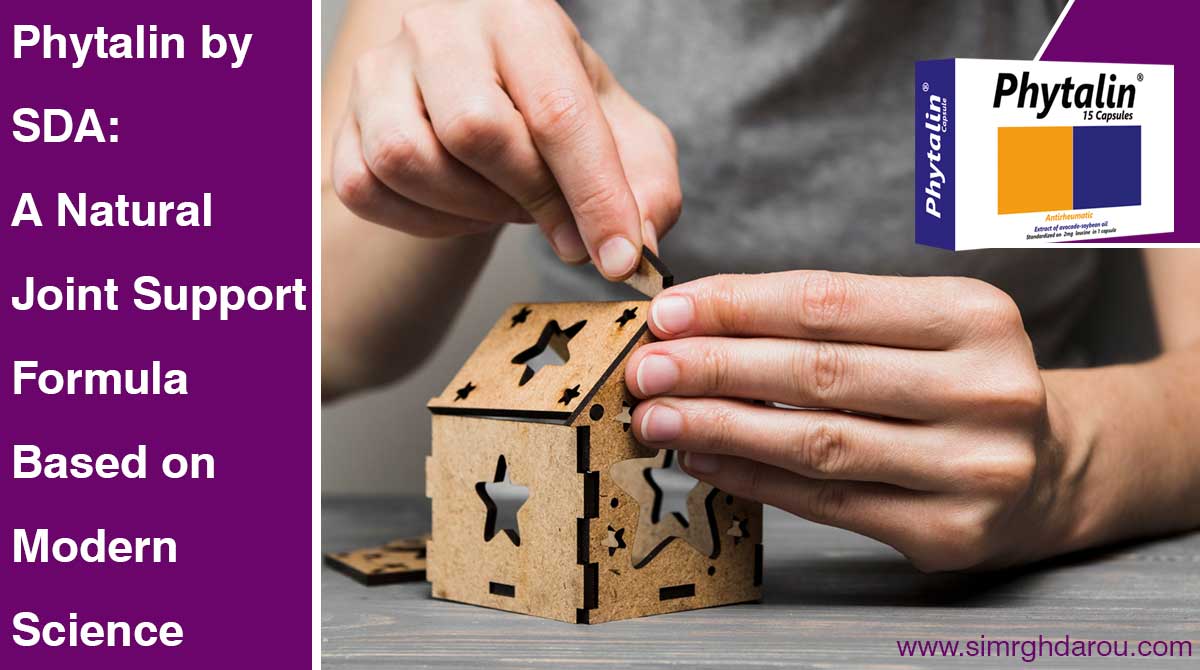
Phytalin by Simorgh Darou: A Natural Joint Support Formula Based on Modern Science
Healthy joints are the foundation for mobility and quality of life. With increasing age, overuse, or an unbalanced diet, the natural regenerative capacity of cartilage can slow down.
This is where the principles of joint supplementation come into play: Joint supplements provide the joint tissue with essential building blocks such as glucosamine, chondroitin, collagen, and plant-based antioxidants, which nourish the cartilage cells, promote synovial fluid production, and activate cell repair processes. A well-balanced supplement therefore supports not only mobility but also structural regeneration from within.
Phytalin – The Connection Between Nature and Science
Phytalin by Simorgh Daru is an innovative joint supplement that combines the insights of modern nutritional science with the power of natural plant extracts. Its formula is specifically designed to comprehensively promote joint health by reducing inflammation, protecting cartilage tissue, and supporting regeneration.
The formula is based on plant-based active ingredients with proven anti-inflammatory properties, including Boswellia serrata (frankincense), Curcuma longa (turmeric), and Zingiber officinale (ginger). These phytocomponents work synergistically to improve mobility and reduce joint pain – all without synthetic additives.
Nourishing Effect – Supporting Cartilage Cells
Phytalin works from within by utilizing the fundamentals of joint supplementation to activate the metabolism of chondrocytes (cartilage cells). The bioactive substances it contains increase the production of proteoglycans and collagen, the main components of the cartilage matrix.
Through improved nutrient supply and increased antioxidant activity, joint tissue becomes more resistant to degenerative processes that typically occur in osteoarthritis or due to mechanical stress.
Protective Function – Natural Cartilage Protection Through Antioxidants
Free radicals and inflammatory messengers accelerate the breakdown of cartilage and synovial fluid. Phytalin contains highly concentrated antioxidants that specifically inhibit these processes. In particular, curcumin and boswellic acids block pro-inflammatory enzymes (such as COX-2 and 5-LOX) and thus contribute to cartilage protection.
This mechanism not only prevents further loss of elastic joint structures but also creates the conditions for long-term regeneration.
Regenerative Effect – Promoting Joint Healing
In addition to protection and nutrition, Phytalin actively supports cartilage regeneration. The plant-based active ingredients stimulate cell renewal and promote the synthesis of hyaluronic acid, leading to improved joint lubrication.
Through this triple action – nourishing, protecting, and regenerating – Phytalin offers a comprehensive approach to restoring joint function, based on the principles of joint supplementation and current scientific findings.
Phytalin: Scientifically Developed Support for Modern Lifestyles
Whether for athletes, older adults, or people with sedentary jobs, Phytalin is designed to fit seamlessly into any daily routine. Regular use helps reduce inflammation, alleviate pain, and improve joint flexibility. With its combination of herbal efficacy and biochemically sound formula, Phytalin by Simorgh Daru offers a natural, safe, and sustainable solution for promoting joint health.
Conclusion
Strong, pain-free movement begins with awareness — knowing what your joints need and how to protect them before problems arise. By learning the joint supplement basics, you take the first step toward maintaining mobility, resilience, and quality of life. Natural, scientifically formulated supplements like Phytalin by Simorgh Daru offer a smart, sustainable way to nourish, protect, and regenerate your joints from within. Because lasting joint health isn’t built overnight — it’s built one informed choice at a time.