

Supplement
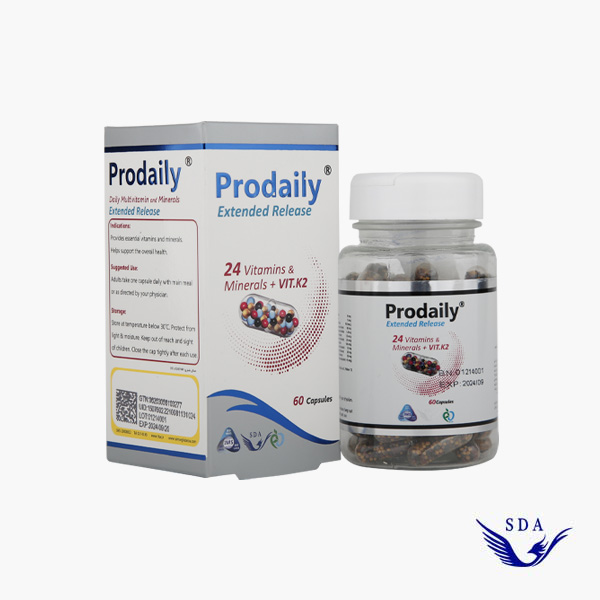
Dosage Form: Tablet
Packaging: 60-tablet bottle and 15-tablet blister pack, with an instruction leaflet in a cardboard box
Active Ingredients
Each tablet of the +50 Multivitamin contains:
Vitamin A: 2500 IU
Vitamin C: 60 mg
Vitamin D3: 500 IU
Vitamin E: 50 IU
Vitamin K2: 30 µg
Thiamine: 1.5 mg
Riboflavin: 1.7 mg
Niacin: 20 mg
Vitamin B6: 3 mg
Folic Acid: 400 µg
Vitamin B12: 25 µg
Biotin: 30 µg
Pantothenic Acid: 10 mg
Calcium: 220 mg
Phosphorus: 20 mg
Iodine: 150 µg
Magnesium: 50 mg
Zinc: 11 mg
Selenium: 19 mg
Copper: 0.5 mg
Manganese: 2.3 mg
Chromium: 50 µg
Molybdenum: 45 µg
Chlorine: 72 mg
Potassium: 80 mg
Nickel: 5 µg
Silicon: 2 mg
Vanadium: 10 µg
Lutein: 250 µg
Lycopene: 300 µg
Other Ingredients: Microcrystalline cellulose, corn starch, maltodextrin, hypromellose, propylene glycol, talc.
Indications for Use
Supports general health and well-being
Provides essential vitamins and minerals for individuals over 50 years of age.
Dosage and Administration
For adults: One tablet daily with food, or as directed by a healthcare provider.
Precautions and Contraindications
This product is a dietary supplement and is not intended for diagnosing, preventing, or treating diseases.
Consult a healthcare provider or pharmacist before using if taking other medications or products.
Not recommended for individuals with hypersensitivity to any ingredient in the formulation.
Discontinue use two weeks prior to surgery.
For gastrointestinal discomfort, take the product with food, milk, or after meals.
Patients with kidney disease, histoplasmosis, thyroid disorders, sarcoidosis, and cancer should use this product under medical supervision.
Individuals with poor kidney function or conditions such as hyperphosphatemia, hypophosphatemia, or hypercalcemia should avoid calcium supplements beyond prescribed limits.
Rheumatoid arthritis patients should use with caution due to the presence of zinc.
Individuals with undiagnosed anemia should avoid this product due to folic acid content.
Side Effects
As with any supplement, adverse effects may occur. While not all individuals will experience these, consult a healthcare provider if any of the following occur: skin rashes, drowsiness, urine discoloration, and mild gastrointestinal disturbances such as nausea, diarrhea, and stomach pain. These can often be alleviated by taking the product with food.
Drug Interactions
Some retinoids (e.g., acitretin, used for skin conditions) may increase vitamin A effects, leading to potential toxicity.
Orlistat can reduce absorption of fat-soluble vitamins, including A and E, which may lower plasma levels in some patients. A two-hour gap is recommended between orlistat and this product.
Medications such as amiodarone, phenobarbital, phenytoin, and antihypertensives like captopril may interact with vitamin B6, B3, and folic acid in this supplement.
Antioxidants like vitamins E and C may reduce the effectiveness of chemotherapy.
Drugs such as penicillamine, cephalexin, tetracyclines (e.g., doxycycline), and quinolones (e.g., ciprofloxacin) may interact with zinc in this product. A gap of at least 3 hours is recommended between these drugs and the supplement.
Aluminum-containing drugs may cause an increase in blood aluminum, particularly in patients with chronic kidney failure. Statins (e.g., atorvastatin) may lower atorvastatin levels, and serum calcium levels should be monitored in patients taking digoxin or verapamil due to vitamin D content.
Cytotoxic drugs, sulfonamides, and barbiturates interfere with folic acid absorption. A two-hour gap should be maintained between this supplement and these drugs.
Methotrexate may interact with folic acid in this product.
Diabetes medications like insulin may interact with zinc and B3, potentially lowering blood glucose levels.
Anticoagulants (e.g., aspirin, warfarin) may interact with this supplement due to its B3 content, increasing the risk of bleeding.
Anticonvulsants (e.g., phenobarbital) may interact with folic acid and B12, requiring a two-hour gap between this product and anticonvulsants.
Pharmacology and Mechanism of Action
Vitamin A: Essential for vision, bone growth, reproduction, cell proliferation, immune function, and maintaining the integrity of epithelial and mucosal surfaces. It acts as an antioxidant, reducing oxidative stress and stimulating immune responses, particularly in cancer. Severe deficiency can lead to ocular inflammation, reduced vision, and night blindness.
Vitamin C: A water-soluble vitamin necessary for normal growth and development, critical for collagen formation, and acts as an antioxidant, preventing free radical damage.
Vitamin D: A fat-soluble vitamin essential for calcium metabolism. It regulates serum calcium and phosphorus levels, facilitating the absorption of calcium from the intestines. Inadequate vitamin D leads to reduced calcium absorption and bone health issues like osteoporosis.
Vitamin E: Prevents free radical formation and supports immune function and white blood cell production. It also promotes skin hydration and offers protection against UV damage.
Vitamin K2: Used for bone health, bone resorption, rheumatoid arthritis, liver disease, and hypercholesterolemia in dialysis patients.
B-Vitamins: Vital for fat and carbohydrate metabolism, enzyme and hormone secretion. Deficiency can lead to fatigue, weakness, memory loss, and hair thinning.
Folic Acid: A form of folate critical for cellular metabolism and preventing megaloblastic anemia.
Zinc: Essential for over 200 metalloenzymes and maintaining the structure of nucleic acids, proteins, and cell membranes. Zinc plays a key role in wound healing, immune defense, and sensory perception.
Magnesium: Key in ion transport, bone strength, muscle spasms, nerve signaling, energy production, and preventing cardiac arrhythmias.
Selenium: A component of antioxidant enzymes like glutathione peroxidase, protecting against oxidative damage.
Chromium: Important for glucose tolerance and insulin function, aiding glucose metabolism and fat synthesis.
Copper: Functions as a cofactor in enzymes that catalyze various biochemical reactions, including those involved in allergic responses, serotonin metabolism, and connective tissue development.
Manganese: Important for preventing osteoporosis, microcytic anemia, arthritis, and PMS symptoms. It is a component of the antioxidant MnSOD, which protects the body from free radical damage.
Calcium: Vital for bone structure, blood clotting, nerve signaling, muscle contraction, and maintaining normal heart rhythm.
Molybdenum: A cofactor for enzymes involved in sulfur metabolism and other biochemical processes.
Lutein: Supports eye health, reducing the risk of age-related macular degeneration and cataracts by acting as an antioxidant in the retina.
Potassium: Essential for nerve impulse transmission, heart muscle contraction, kidney function, tissue synthesis, and carbohydrate metabolism. Low potassium intake can contribute to hypertension, stroke, and cardiovascular disease.
Phosphorus: A critical component of cell membranes, energy transfer, and acid-base balance in the body. It is involved in bone and tooth formation and the function of enzymes related to energy metabolism.
Use in Pregnancy and Lactation
This product can be used during pregnancy and lactation as directed by a healthcare provider.
Storage Conditions
Store the product in its original box, away from light, moisture, and at a temperature below 30°C. Keep out of reach of children.


Reviews
There are no reviews yet.