
Contact us
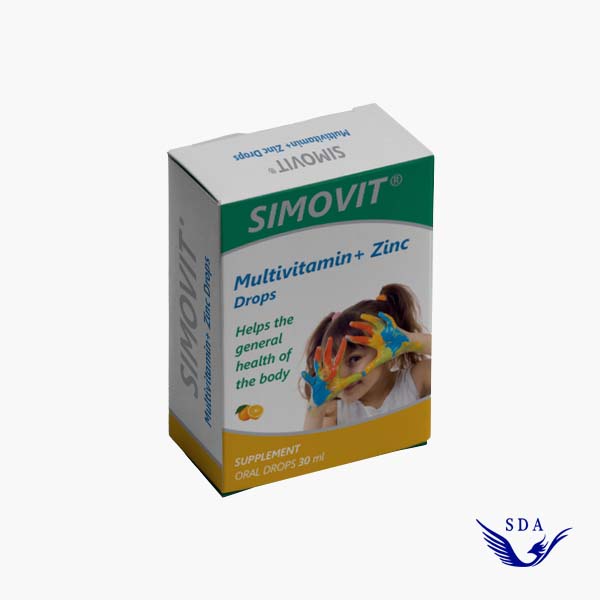
To support general body health
To provide essential nutrients to the body
05143266665
Form: Oral Drop
Packaging: 30 mL bottle with an instruction leaflet in a cardboard box.
Vitamin A (Palmitate) 1500 IU
Vitamin D3 (Cholecalciferol) 600 IU
Vitamin E 9 IU
Vitamin B1 (Thiamine Hydrochloride) 0.5 mg
Vitamin B2 (Riboflavin 5-Phosphate Sodium) 0.6 mg
Vitamin B6 (Pyridoxine Hydrochloride) 0.5 mg
Vitamin B12 (Cyanocobalamin) 1.5 mcg
Nicotinamide 8 mg
Zinc (Zinc Gluconate) 3 mg
Vitamin C 40 mg
Other Ingredients: Glycerin, Sucralose, Potassium Sorbate, Sodium Metabisulfite, Propylene Glycol, Gallic Acid, Cremophor, Orange Essence, Citric Acid, Purified Water.
To support general body health
To provide essential nutrients to the body
Take 1 mL daily or as directed by a healthcare provider.
Consult a healthcare professional before use in patients with renal insufficiency or chronic conditions such as cancer or diabetes.
Contraindicated in individuals sensitive to cobalt compounds or those with a history of hemorrhagic stroke.
Discontinue use at least two weeks prior to surgery.
Yellow discoloration of urine is normal due to riboflavin (Vitamin B2).
Do not exceed the recommended dosage. This product is a supplement and not intended for the diagnosis, prevention, or treatment of disease.
As with any supplement, adverse effects may occur. Common side effects may include nausea, diarrhea, vomiting, skin rashes, fatigue, or headache. Consult your doctor or pharmacist if any of these side effects occur.
Orlistat may reduce the absorption of fat-soluble vitamins, including Vitamin A. Maintain a 2-hour gap between taking Orlistat and this product.
Vitamin D may increase aluminum absorption. Use in patients with renal insufficiency only under medical supervision.
Atorvastatin and Calcipotriene may interact due to the presence of Vitamin D. Use with these medications should be under the guidance of a healthcare professional.
Phenobarbital and Phenytoin may reduce plasma concentrations of Vitamin B6.
Carbamazepine, Penicillamine, Levothyroxine, Cephalexin, Tetracyclines, Quinolones (such as Doxycycline, Ciprofloxacin), and HIV medications (Ritonavir, Atazanavir) may interact. A 3-hour interval should be maintained between these drugs and this product.
Vitamin B6 may interact with Amiodarone and increase photosensitivity.
Concurrent use with antihypertensive drugs (Captopril, Losartan, Amlodipine, Hydrochlorothiazide) may increase the risk of hypotension due to Vitamin B6.
The use of antioxidants like Vitamin C and E during chemotherapy may reduce the effectiveness of some chemotherapy drugs that generate free radicals. Use of supplements in cancer patients should only be done under the guidance of a healthcare provider.
Concurrent use of Vitamin E with drugs like Selumetinib and Warfarin may increase the risk of bleeding.
Vitamin A is a fat-soluble vitamin essential for vision, bone growth, reproduction, cellular proliferation and differentiation, immune function, and epithelial integrity. It acts as an antioxidant, stimulates immune system function, and plays a role in cancer prevention. Deficiency increases susceptibility to infections. It is necessary for the body’s use of iron and prevents anemia by aiding in iron storage. Vitamin A also supports the health of the respiratory system and aids in wound healing by promoting collagen production.
Vitamin C is a water-soluble vitamin involved in numerous metabolic processes including oxidation-reduction, cellular respiration, protein synthesis, and cholesterol metabolism. It acts as an antioxidant, anti-inflammatory, anti-allergy, and immune system booster.
Vitamin D is a fat-soluble vitamin that regulates serum calcium and phosphorus levels. Insufficient Vitamin D leads to reduced absorption of calcium and phosphorus. Vitamin D strengthens bones and prevents osteoporosis, and its role in enhancing immune function is well-documented. Adequate levels of Vitamin D have been linked to reduced risk of autoimmune diseases (e.g., rheumatoid arthritis), type 1 and 2 diabetes, and cancers of the colon, breast, and prostate.
B Vitamins are water-soluble and play widespread roles in metabolism, immune system function, blood cell formation, cardiovascular health, reducing inflammation, and managing blood lipids. Deficiencies in B vitamins are associated with diabetic neuropathy, fatigue, headaches, muscle weakness, gastrointestinal problems, and increased susceptibility to depression.
Vitamin E is a fat-soluble antioxidant that prevents free radical formation. It may reduce pain by inhibiting prostaglandin production. Increased Vitamin E intake has been linked to a reduced risk of certain cancers, slower progression of Alzheimer’s disease, and improvement in cardiovascular disease, diabetes, and neurological disorders.
Zinc plays a crucial role in DNA, RNA, and protein synthesis. It supports immune function, reproduction, growth, development, behavior, learning, taste, smell, and thyroid hormone activity. Zinc is present in over 300 enzymes, and deficiency leads to delayed growth, low insulin levels, loss of appetite, irritability, generalized hair loss, and skin lesions.
What are the side effects of this drug?
Common side effects include nausea, diarrhea, vomiting, skin rashes, fatigue, and headache.
Does this drug have any drug interactions?
Yes, this product interacts with medications like Atorvastatin, Calcipotriene, Phenobarbital, Phenytoin, Carbamazepine, Penicillamine, Levothyroxine, Cephalexin, Tetracyclines, Quinolones (e.g., Doxycycline, Ciprofloxacin), HIV medications, Captopril, Losartan, Amlodipine, Hydrochlorothiazide, Selumetinib, and Warfarin.




Reviews
There are no reviews yet.